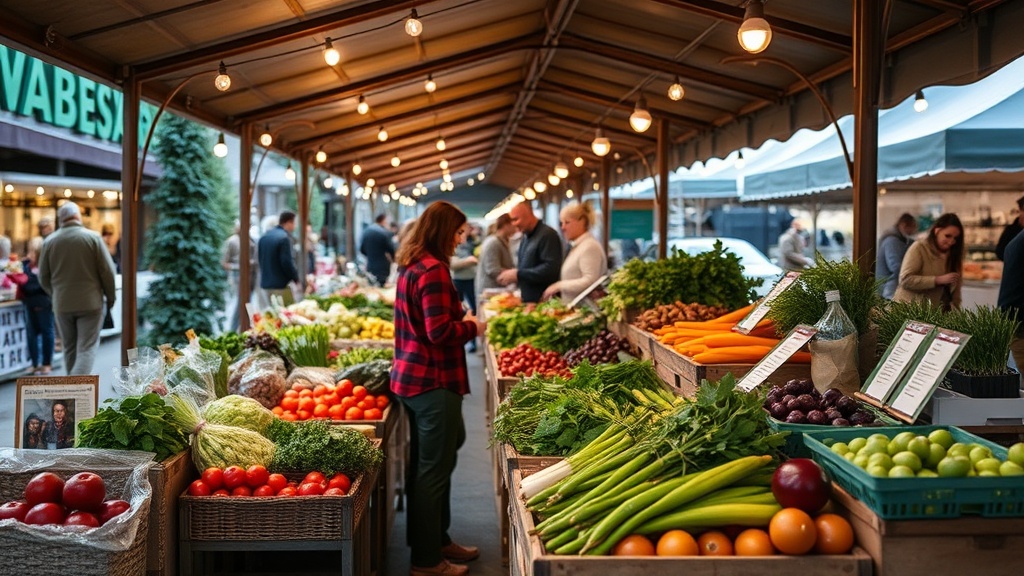
Navigating the Local Farmers Markets in Banff and Lake Louise

Over 70% of the produce found in Rocky Mountain markets during peak season is sourced from within a 200-kilometer radius of the Bow Valley. This guide breaks down the specific schedules, locations, and vendor types for the farmers markets in Banff and the surrounding Lake Louise area. You'll find details on seasonal timing, what to bring, and how to find the best local Alberta honey and organic greens.
What are the best farmers markets in the Banff area?
The primary hubs for fresh local goods are the Banff Farmers Market and various seasonal pop-ups throughout the Bow Valley. Most of these markets run from late May through early October, following the Alberta growing season.
If you're looking for the heavy hitters, the Banff Farmers Market is your main destination. It isn't just a place to grab a head of lettuce; it's where local artisans sell everything from hand-poured beeswax candles to artisanal sourdough. Most vendors are small-scale producers from the Alberta foothills. You'll see a lot of high-quality organic produce, but the selection depends heavily on the week.
The seasonality here is strict. Unlike a grocery store that pulls in-season fruit from South America, these markets rely on what's actually growing in the Canadian Rockies right now. If it's January, don't expect to find fresh strawberries. Instead, you'll find preserved goods, jams, and hearty root vegetables. It's a much more honest way to shop.
For those staying closer to Lake Louise, keep an eye on the seasonal community events. While there isn't a permanent, large-scale permanent market structure in Lake Louise itself, the local community often hosts small-scale artisan pop-ups and seasonal sales near the village areas. These are much smaller and more intimate than the Banff setups.
Typical Seasonal Availability
| Season | Available Products | Example Items |
|---|---|---|
| Late Spring/Summer | Fresh Greens & Berries | Kale, Strawberries, Snap Peas |
| Late Summer/Fall | Root Vegetables & Harvest | Potatoes, Carrots, Apples |
| Winter | Preserved & Artisan Goods | Honey, Jams, Dried Goods, Woolen Goods |
How much does it cost to shop at local markets?
Prices at local markets are generally higher than at discount grocery stores due to the small-batch nature of the production. You are paying for quality and the direct support of Alberta farmers. Expect to pay a premium for items like organic microgreens or hand-crafted cheeses.
It's helpful to think of this as a different kind of shopping experience. You aren't just buying ingredients; you're buying a piece of the local economy. A jar of local honey might cost more than a mass-produced version from a big-box store, but the flavor profile—and the fact that it supports a local beekeeper—is worth the extra few dollars.
Here's a quick tip: bring cash. While many vendors now accept debit or credit through mobile readers, some of the smaller, more traditional-style stalls might still prefer cash for smaller transactions. It's always better to be prepared.
If you're planning a big cookout or a weekend meal, I recommend checking the Alberta Agriculture website for general information on regional crop cycles. This helps you understand why certain items might be missing from the stalls during certain weeks.
What specific local products should I look for?
You should look for Alberta-grown honey, mountain-grown berries, and small-batch baked goods. These items represent the best of what our local producers can offer.
When I'm walking through the stalls, I always look for the "Made in Alberta" labels. There is a massive difference in quality when you move from mass-produced goods to things like locally harvested wild garlic or small-batch maple syrup. The textures and flavors are just more intense.
A few things to keep an eye out for:
- Local Honey: This is the gold standard for gifts or even just your morning tea.
- Artisan Breads: Often made with local grains, these are far superior to anything in a plastic bag.
- Handmade Textiles: You'll often see much more high-quality, durable goods than your average tourist shop.
- Organic Produce: When the season is right, the quality of the greens is unmatched.
If you're looking for a caffeine kick while you wander, you might want to pair your market trip with a visit to a local cafe. I've found that many people enjoy pairing a fresh market pastry with a coffee from one of the local spots. For more on local beverage culture, check out my guide on finding the best hidden coffee spots.
When is the best time to visit the markets?
The best time to visit is early in the morning on market days to ensure the widest selection of fresh produce. Most markets in the Bow Valley operate on a weekend schedule, typically Saturday mornings.
If you arrive late in the afternoon, you might find that the best-selling items—like the fresh sourdough or the popular berry jams—are already gone. It’s a competitive environment, especially during the summer tourist season. If you see something you love, buy it right then. Don't walk around the whole market thinking you'll come back for it later.
The weather in the Rockies is notoriously unpredictable. Even in July, a morning frost or a sudden mountain shower can change the vibe. I always suggest wearing layers—something like a Patagonia Nano Puff—so you can stay comfortable while browsing the outdoor stalls. It makes the experience much more pleasant when you aren't shivering through your shopping.
Worth noting: the crowds can get quite dense during the peak summer months. If you prefer a quieter, more relaxed stroll, try to arrive right when the market opens. You'll have a much better chance of actually talking to the producers and asking questions about their processes. It's part of the charm, really.
The local markets are a vital part of the community rhythm here. Whether you're a resident or just passing through, the quality of the goods is consistently high. Just remember to check the specific dates for each vendor, as many are seasonal and might only appear for a few weeks during the height of summer.