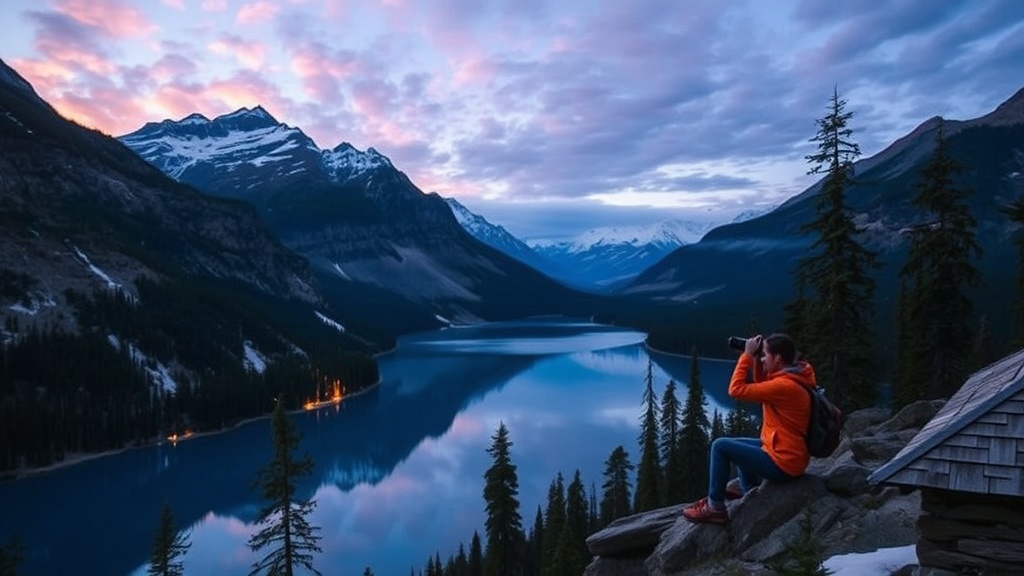
Preparing for a Successful Sunrise Hike at Lake Louise
This guide covers everything you need to know to plan, pack, and execute a sunrise hike around Lake Louise, including timing, gear requirements, and local logistics. Getting to the lake before the crowds arrive requires specific preparation to ensure you aren't caught in the dark or unprepared for shifting mountain weather.
What Time is Sunrise at Lake Louise?
Sunrise times vary significantly depending on the month, but you should plan to arrive at the trailhead at least 45 minutes before the official sunrise time to find a good spot. In the peak of summer (June/July), the sun rises around 5:00 AM, while in late August, it might be closer to 6:00 AM. If you're aiming for that perfect light on the Victoria Glacier, you'll want to be positioned well before the light hits the peaks.
I always tell people to check the exact sunrise time for the Lake Louise area for their specific date. Don't rely on a general "summer" estimate. The difference of even fifteen minutes can be the difference between seeing the glow on the mountain or being stuck in the dark. It's also worth noting that the light changes rapidly—the "golden hour" is short in the Rockies.
If you're planning to grab a caffeine hit before you head out, you might want to check out hidden coffee spots near Banff to fuel up, though most shops won't be open at 4:00 AM. Most people find it easier to prep their coffee at home or bring a thermos of hot water for a field brew.
How Do I Get to Lake Louise for an Early Hike?
You must book a Parks Canada shuttle or use a commercial tour service if you want to avoid the limited and expensive parking situation. Parking at the Lake Louise shoreline is extremely limited and often full by 6:30 AM. If you don't have a pre-booked shuttle reservation, your options for getting to the lake at dawn are very restricted.
The most reliable way to get there is through the Parks Canada reservation system. You can also look into the Roam Public Transit schedules, though you'll need to verify their early morning frequency. If you're driving your own vehicle, be prepared to pay the premium parking rates at the designated lots, but keep in mind that these fill up incredibly fast during the summer months.
- Parks Canada Shuttle: The gold standard for reliability.
- Roam Public Transit: Great for budget-conscious travelers.
- Private Taxis/Ride Shares: Limited availability in the early hours; pre-booking is a must.
- Personal Vehicle: High risk of finding a full lot; check local signage for parking regulations.
The catch with the shuttle system is that spots sell out weeks in advance. If you didn't grab a reservation, don't panic, but do have a Plan B. You might have to rely on a local tour operator or a more expensive private transport option.
Essential Gear for Morning Alpine Conditions
You'll need layers that can handle cold temperatures and rapid changes in weather. Even if it's 20°C in the afternoon, it can be near freezing at the lake at 5:00 AM. I never head out without my Patagonia Nano Puff or a similar lightweight down insulator. It makes a massive difference when you're sitting still waiting for the sun to crest the mountains.
Here is a quick comparison of what you should pack based on the season:
| Gear Item | Spring/Early Summer (May-June) | Mid-Summer (July-August) |
|---|---|---|
| Outer Layer | Heavy down jacket & waterproof shell | Lightweight windbreaker or fleece |
| Footwear | Waterproof hiking boots | Breathable trail runners |
| Lighting | High-lumen headlamp (essential) | Standard headlamp |
| Accessories | Gloves and a warm beanie | Lightweight gloves/buff |
Don't forget a reliable headlamp. Trying to navigate the trail with a phone flashlight is a recipe for a twisted ankle. I recommend something like a Black Diamond Spot or a Petzl headlamp. You need hands-free light to navigate the uneven terrain before the sun is up.
What Should I Wear for a Sunrise Hike?
Wear a moisture-wicking base layer and a mid-weight insulating layer that you can easily strip off as you move. The goal is to prevent sweating during the ascent, which can lead to a chill once you stop. A Merino wool base layer—like those from Smartwool—is a personal favorite because it stays warm even if it gets damp.
The biggest mistake I see people make is wearing a heavy parka that they can't easily stow away. Once you start climbing, your body temperature will rise quickly. You want a system of layers: a base, a mid-layer (like a fleece), and a shell. This allows you to adjust to the temperature in real-time as the sun rises and the air warms up.
If you're planning to sit by the water to watch the light change, bring a small, lightweight sit-pad or a waterproof seating mat. Sitting on damp, cold ground for twenty minutes while waiting for the perfect shot isn't pleasant. It's a small addition to your pack that pays huge dividends in comfort.
Safety and Wildlife Etiquette
Be aware of your surroundings, especially regarding wildlife. At dawn, animals like elk and bears are most active. Always carry bear spray and know how to use it. It's not enough to just have it in your pack; it needs to be accessible on your belt or in a side pocket.
Keep your distance from all wildlife. If you see an elk near the path, give it plenty of space. These animals can be unpredictable, especially in the early morning. Following the Parks Canada guidelines for wildlife safety isn't just a suggestion—it's a requirement for a safe trip.
Also, watch your step. The trails around Lake Louise can be slippery with dew or frost in the early morning. Sturdy boots with good traction are a non-negotiable part of your kit. I've seen many hikers struggle because they wore fashion sneakers instead of actual hiking footwear. Your ankles will thank you.
Lastly, pack out everything you bring in. The alpine environment is fragile. Leave no trace, especially when you're operating in low light and might not see the small bits of trash you've left behind. Keep the lake as beautiful as you found it.
Steps
- 1
Check the weather and sunrise time
- 2
Pack essential layers and headlamps
- 3
Set your alarm and prepare your gear the night before